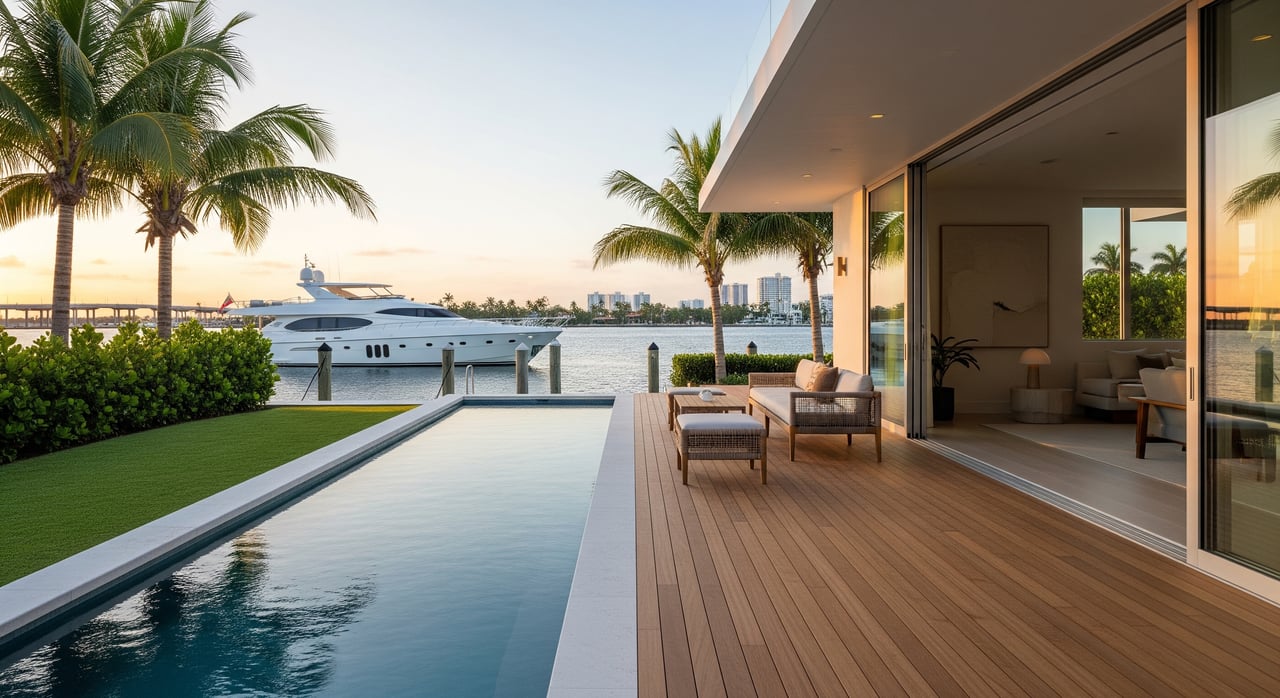
Sunrise over the water, coffee on the balcony, and a quick bike ride to the beach — that’s a regular morning in Fort Lauderdale. If you are weighing a move, you likely want the real picture of daily life, from neighborhood vibes to commuting and insurance realities. In this guide, you will learn what it feels like to live here and how to match your lifestyle to the right pocket of the city. Let’s dive in.
Fort Lauderdale at a glance
Fort Lauderdale is a medium-sized coastal city with a strong boating culture, a lively Las Olas and beachfront scene, and quiet residential pockets set along canals. Winters are warm and drier, while summers are hot and humid with a pronounced wet season. Hurricane season runs June through November, so staying weather-aware is part of life here. For official climate guidance and storm updates, follow the National Weather Service Miami office.
The local economy blends tourism, hospitality, marine industries, professional services, and a growing tech and creative scene. Port Everglades and Fort Lauderdale-Hollywood International Airport support a steady flow of travel and trade. You will notice a split identity: tourist-facing beachfront energy balanced by laid-back, tree-lined neighborhoods inland.
Neighborhood vibes
Downtown, Las Olas, and the Beachfront
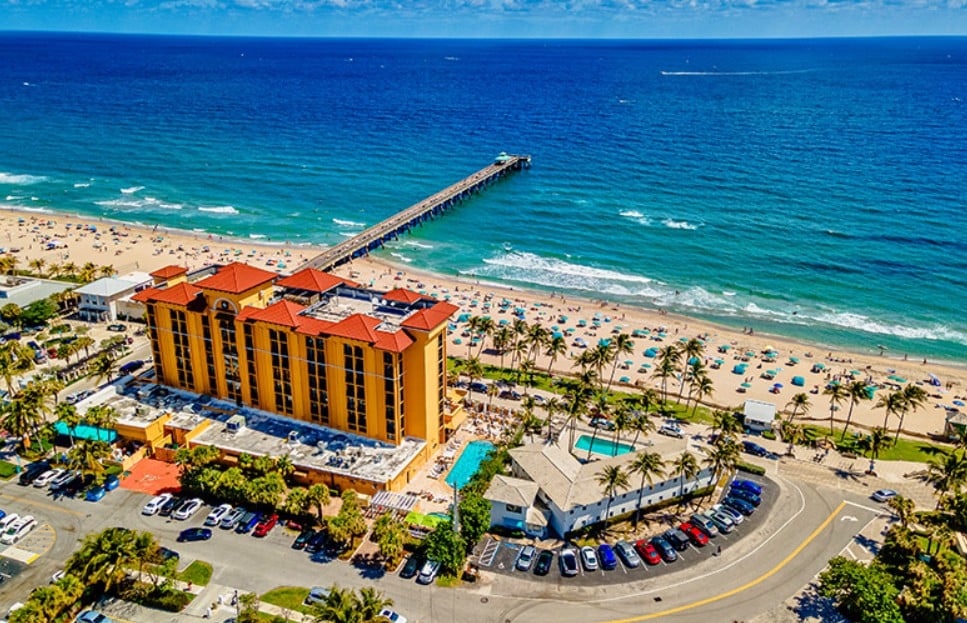
Expect a walkable, urban feel with restaurants, cafes, galleries, and nightlife. Many homes are condos or high-rises with amenities and quick beach access. A typical day might be a morning jog on the promenade, a short walk to lunch on Las Olas, and sunset people-watching by the water.
Flagler Village and Victoria Park
These creative-adjacent areas sit just north and east of downtown with galleries, breweries, and co-working spots. Housing ranges from newer condos and lofts to smaller single-family homes on quieter streets. You might work from a cafe, catch an art night, and still be minutes from the riverfront.
Rio Vista, Coral Ridge, and Harbor Inlet
These established neighborhoods offer larger single-family homes, tree-lined streets, and many waterfront lots with private docks. It feels calm and residential with quick access to downtown and the beach. A common rhythm: morning dock walk, school drop-off, and weekend boating or sandbar time.
Wilton Manors and areas north of Sunrise Boulevard
Wilton Manors is a separate city closely tied to Fort Lauderdale life. It offers a walkable main street, nightlife, and small businesses, and it is known for its inclusive community. Many residents choose it for its lively social scene and convenient location.
Western and suburban pockets
Farther from the coast, you will find more car-dependent neighborhoods and subdivisions where space per dollar tends to stretch. Daily life here often means backyard barbecues, short drives to shopping centers, and easier parking. It is a practical fit if you want room to grow.
Getting around and commuting
Walkability changes block by block. Downtown, Las Olas, Flagler Village, and the beach promenade are the most pedestrian-friendly. Elsewhere, a car is helpful for groceries, school, and commuting.
For public transit, county buses run across the area through Broward County Transit. Regional rail includes Tri-Rail commuter trains connecting Miami-Dade, Broward, and Palm Beach counties, and the faster Brightline service for trips to Miami and West Palm Beach. If you fly often, Fort Lauderdale-Hollywood International Airport sits within the city and makes travel days smooth.
Traffic ebbs and flows with tourist season and rush hour. If you commute to Miami or West Palm Beach, train options can save time and stress. Many residents mix driving with rail depending on the day.
Lifestyle, beaches, and culture
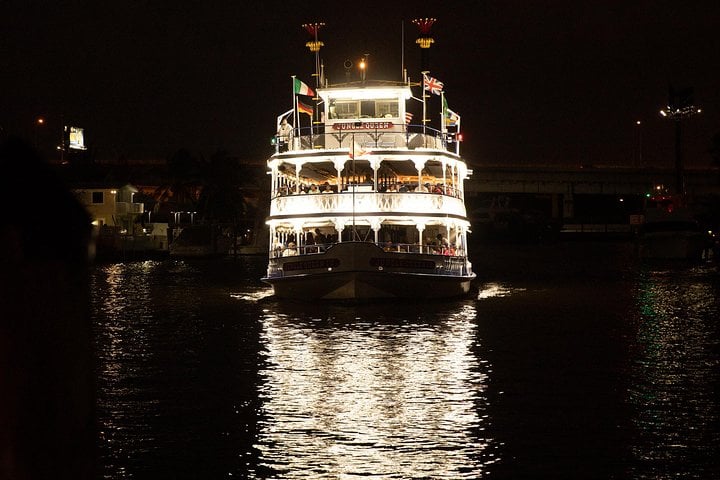
Water shapes everything. Boating is woven into daily life with canals, marinas, and the Intracoastal Waterway. On weekends, you will see fishing charters heading out, paddleboarders gliding along canals, and families picnicking at parks. Hugh Taylor Birch State Park, the beach, and the riverwalk offer easy outdoor escapes.
Fort Lauderdale’s food and nightlife center around Las Olas and spill into Flagler Village. The arts scene includes galleries and institutions like the NSU Art Museum Fort Lauderdale. To track big events such as the Fort Lauderdale International Boat Show and seasonal festivals, check the calendar at Visit Lauderdale.
Costs and day-to-day practicalities
The cost of living is higher than the national average, influenced by housing near the beach and popular corridors. Florida has no state income tax, which helps many households offset expenses. Property taxes vary by neighborhood and home value; you can explore assessments and exemptions through the Broward County Property Appraiser.
Insurance is a key budgeting line, especially near the water. Windstorm and flood policies depend on a home’s elevation, construction, and proximity to waterways. Many residents take steps to improve resilience, like impact windows and shutters, which can help with both comfort and potential insurance savings.
Real estate essentials for buyers and sellers
Condos dominate the beach and downtown skyline. If you are considering a condo, review association budgets, reserves, special assessments, insurance requirements, and rental rules before you write an offer. In single-family pockets, especially on the water, plan for dock and seawall upkeep along with higher maintenance and insurance costs.
Flood risk is part of the decision. Review your target property’s flood zone on the FEMA Flood Map Service Center and discuss insurance with a trusted provider. For renovations or new builds, check permitting and code requirements through the City of Fort Lauderdale before you plan a project.
A quick pre-move checklist:
- Confirm flood zone, elevation, and insurance quotes.
- For condos, review financials, reserves, and rules.
- For single-family, review permit history and any open permits.
- Map your commute and backup routes or rail options.
- Check school zoning if that matters to your household.
Who Fort Lauderdale fits
- You want a walkable, beach-adjacent lifestyle with dining and nightlife at your doorstep.
- You like creative districts, galleries, and an emerging tech scene.
- You are a boater or plan to be, and canal life excites you.
- You need flexible commuting options across the tri-county area.
- You are seeking suburban comfort with access to coastal amenities nearby.
Let’s make your move simple
If Fort Lauderdale sounds like home, you do not need to navigate it alone. With boutique, founder-led guidance and a clear, step-by-step plan, you can move with confidence. Reach out to Sasha Valdes to learn which neighborhoods fit your goals, how to compare insurance and commute options, and how to position your purchase or sale for success.
FAQs
Is Fort Lauderdale walkable for daily errands?
- Parts of the city are very walkable, especially Las Olas, downtown, Flagler Village, and the beach promenade; most other neighborhoods are easier by car.
How risky are hurricanes and flooding in Fort Lauderdale?
- As a coastal city, storms and heavy rain are part of life; buyers should review flood zones, consider mitigation features, and plan for hurricane preparedness each season.
Can you commute to Miami or West Palm Beach from here?
- Yes, many residents do; you can drive or use regional rail options that connect the tri-county area, adjusting by time of day and route.
What is the boating lifestyle like locally?
- Boating is popular thanks to canals, marinas, and the Intracoastal Waterway; owning a boat involves slip availability, maintenance, and insurance planning.
Are condos or single-family homes more common near the beach?
- Condos are common downtown and along the beachfront, while single-family homes dominate in established neighborhoods, particularly along waterfront canals.
How do property taxes work in Broward County?
- Taxes vary by location and property value; you can review assessments and potential exemptions through the county and confirm exact figures during your home search.