Thinking about relocating to Fort Lauderdale but worried about the stress of an out-of-state move? You’re not alone. Between picking the right neighborhood, planning a new commute, and timing everything around hurricane season, it can feel like a lot. In this guide, you’ll get a clear plan for choosing where to live, how to navigate local transportation, when to schedule your move, and what to check during quick orientation trips. Let’s dive in.
What to know before you move
Quick snapshot
Fort Lauderdale’s city population sits around 190,600, based on recent U.S. Census estimates. You’ll see home price medians vary by source, but recent snapshots often place citywide sales in the mid–$500k to mid–$600k range. Local neighborhood differences can be significant, especially for waterfront properties. The mean one-way commute time for residents is about 26 minutes, which is a helpful baseline when you compare neighborhoods and office locations. You can view core city stats anytime on the U.S. Census QuickFacts page for Fort Lauderdale.
- Explore high-level city data on the U.S. Census QuickFacts page for Fort Lauderdale: Fort Lauderdale city QuickFacts
Weather and timing
South Florida’s official Atlantic hurricane season runs from June 1 through November 30. If you can, plan major milestones like final walk-throughs or move-in outside of the peak months. Fall through spring brings more comfortable weather for orientation trips and neighborhood scouting.
- Review the official season window on the National Hurricane Center climatology page.
- For local checklists, shelters, and alerts, see Broward County’s hurricane resources.
- For pleasant scouting weather and a full calendar of events, review the seasonal guide from Visit Lauderdale.
Choose your neighborhood with confidence
Match lifestyle and commute
Start with your day-to-day. If walkable dining and urban energy top your list, you might prioritize downtown areas near Las Olas and Flagler Village. If you want space and quieter streets, look a bit west of I-95 for single-family neighborhoods. Boating and beach access can change your short list too, but remember that waterfront often carries different insurance and maintenance needs.
Neighborhood primer
Use this quick primer to plan a 1–3 day orientation visit:
- Downtown / Las Olas. Walkable shopping and dining, close to offices and the Riverwalk. Expect higher condo association fees in some buildings and busy seasons. Check the city events calendar when you plan scouting days.
- Flagler Village / FATVillage. A growing arts-and-tech district with new rentals and mixed-use projects. For development context and neighborhood initiatives, review the Flagler Village overview.
- Victoria Park & Rio Vista. Leafy streets and historic character close to downtown and the beach. You’ll find a mix of preserved homes and newer infill. The city’s architectural survey offers helpful context for buyers researching character and design standards.
- Las Olas Isles / Harbor Beach / Coral Ridge. High-end waterfront options, direct ocean access, and strong boating appeal. Budget for acquisition, seawall upkeep, and specialized inspections.
- Wilton Manors. An independent municipality next to Fort Lauderdale, known for a compact, lively main street and community events.
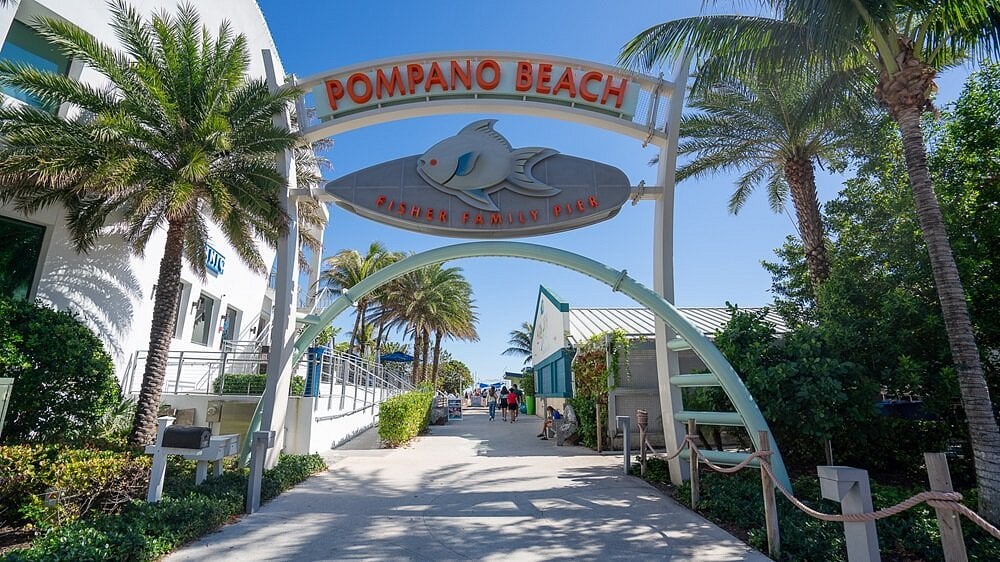
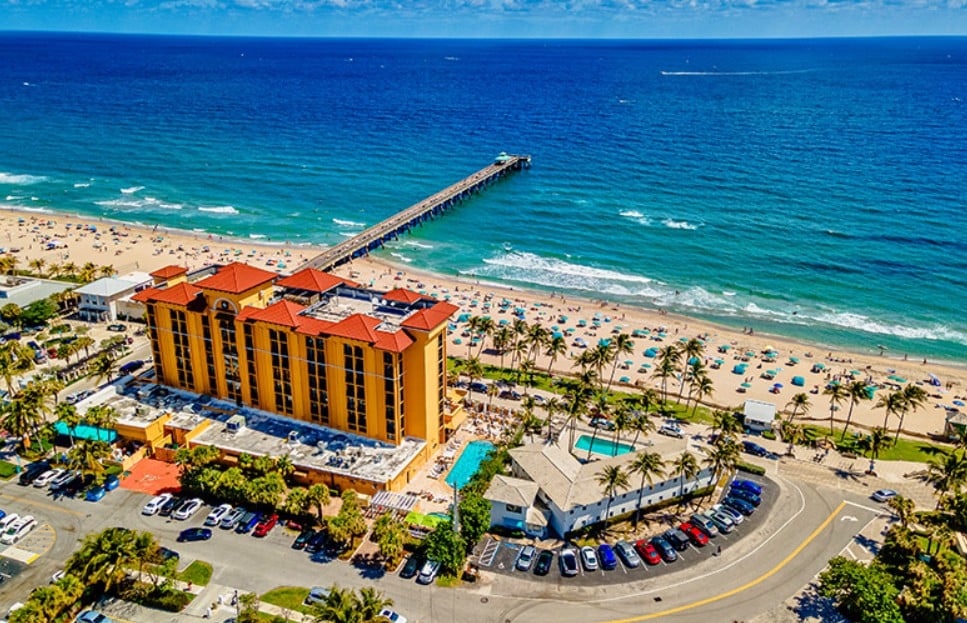
- Nearby beach towns. Lauderdale-by-the-Sea, Pompano Beach, and Deerfield Beach offer alternative beach access and commute profiles within the same metro.
Schools and programs
If schools are part of your decision, learn the basics of Broward County Public Schools’ choice and magnet programs. Application windows and processes are set by the district, so confirm dates early and collect records before you travel.
- Start with the BCPS overview: School Choice FAQs
Flood risk and insurance
Waterfront living is part of Fort Lauderdale’s appeal, but due diligence matters. Review FEMA flood maps for any address you’re considering and ask for elevation certificates on waterfront parcels. The city’s flood-risk page explains how to view current FIRMs and request documentation. Your insurance agent can help compare National Flood Insurance Program policies with private flood options.
- Learn how flood zones work and where to find maps: FEMA training overview
- See local guidance on the City of Fort Lauderdale flood risk information page
Commute and getting around
Major roads and expectations
Key corridors include I-95 for north-south travel, I-595 for east-west, A1A along the coast, and Florida’s Turnpike farther west. Rush-hour congestion is common, especially near downtown and the beach. The city’s mean one-way commute is about 26 minutes, which helps you set a realistic expectation as you compare neighborhoods.
Rail, shuttles, and car-light options
If you’re commuting within the tri-county area, the region’s rail options can help you skip traffic. The Brightline station in downtown Fort Lauderdale connects you to Miami, West Palm Beach, and Orlando. Tri-Rail serves the broader commuter corridor with connections to shuttles and local transit.
- Explore the Brightline Fort Lauderdale station
- See schedules and station info for Tri-Rail Fort Lauderdale
Try your route before you commit
During your orientation trip, drive your actual route during peak hours. If you’re considering a multi-office setup, do a morning run to Miami and an off-peak return. If rail is on the table, time your walk or drive to stations and test connections.
Recreation and lifestyle highlights
Beaches, boating, parks, and events
Fort Lauderdale’s shoreline, marinas, and waterway access are major lifestyle anchors. If you’re a boat owner or plan to be one, review marina slip availability, bridge clearances, and seawall condition during property tours. For weekend rhythm, look at Hugh Taylor Birch State Park, Las Olas dining, FATVillage art events, air shows, and the Fort Lauderdale International Boat Show. For timing and event ideas during scouting, use the Visit Lauderdale seasonal guide.
Your low-stress relocation plan
Best time for an orientation trip
Aim for October through May when weather is milder and event calendars are full. If your start date falls in summer or early fall, try to schedule inspections and your final walk-through during a drier week.
Orientation trip checklist
Use this 1–3 day plan to gain clarity fast:
- Commute tests. Drive your primary route at rush hour and midday. Time a rail option if it fits your routine.
- Neighborhood walk test. Visit mornings, evenings, and weekends. Note parking, sidewalks, grocery and health care access, and any noise patterns.
- Waterfront due diligence. If applicable, note bridge clearances, marina options, seawall condition, and lift requirements. Pull parcel flood data and ask about elevation certificates. See FEMA’s overview and the City flood-risk page.
- Schools. Visit assigned campuses if possible and confirm program details early through BCPS School Choice FAQs.
Move logistics checklist
Stay ahead of the details to keep your move calm:
- Utilities. Set up electric service with FPL online. Same-day connections are often possible if you order early, but schedule 1–2 weeks ahead for a smooth handoff. Start at FPL Start/Stop/Transfer.
- Flood and insurance. Check flood zones for each address, request elevation certificates for waterfront parcels, and compare NFIP and private flood options.
- Hurricane prep. Build a basic kit and confirm your evacuation zone. Review Broward County hurricane guidance.
- School records. Gather transcripts, immunization records, and any documents needed for School Choice.
- Vehicle and documents. After you establish residency, plan to update your driver’s license and vehicle registration. Check the official Florida Highway Safety and Motor Vehicles and Broward Tax Collector websites for current procedures.
Sample timeline
- 8–12 weeks out. Choose neighborhoods, line up a local agent, request market alerts and comps, schedule your orientation trip, and begin lender prequalification.
- 4–6 weeks out. Complete your orientation trip, shortlist homes, ask for video walkthroughs of top choices, and open utility orders. Confirm pet and school documents.
- 1–2 weeks out. Book the mover, confirm utility start dates, and complete change-of-address and mail forwarding. Lock in inspection or survey dates if you’re under contract.
- Move week. Do a final walkthrough, transfer utilities, document meter readings, and pick up keys.
- First 30 days. Register for local services, finalize school enrollment, stock hurricane supplies, and verify all insurance coverage.
How a local agent lowers stress
A strong local agent helps you make confident decisions without being here for every step. Ask for a virtual scouting package that includes recorded neighborhood drives, live video tours, floor plans, and amenity maps. Your agent should also pull recent sales and HOA or condo fee ranges for each neighborhood so you can compare options in context.
For waterfront candidates, request flood panels, elevation certificates, and any available seawall or drainage permits. Have your agent coordinate an independent home inspection and, for waterfront, a marine or seawall inspection and a surveyor when elevation verification is needed.
Here are smart questions to ask your agent when you’re out of town:
- Can you record a walkthrough showing entry areas, outlets, under-sink plumbing, and the age/condition of roof and HVAC labels?
- Can you capture a 60–90 second street clip during peak hours to gauge traffic and noise?
- Will you provide a quick summary of HOA or condo rules, budget, and upcoming assessments?
- For any home near water, will you pull the current flood panel and check for any LOMA/LOMR records?
Ready to simplify your move and get a calm, concierge plan from first call to keys? Reach out to Sasha Valdes to schedule your move strategy session and start touring smart, whether you’re here in person or on video.
FAQs
Is Fort Lauderdale more expensive than nearby options?
- Citywide medians often land in the mid–$500k to mid–$600k range, but pricing varies widely by neighborhood and waterfront access; ask your agent for a fresh, date-stamped MLS snapshot before you choose.
When should I plan my move around hurricane season?
- Hurricane season runs June 1 to November 30; if possible, schedule orientation trips and move-in outside the summer–early fall peak and follow NOAA guidance plus Broward County prep resources.
Can I buy a Fort Lauderdale home without visiting in person?
- Yes, with strong local representation using live video showings, recorded tours, independent inspections, clear contingencies, and verified flood and insurance checks before you commit.
What are my commute options if I work across counties?
- Expect a roughly 26-minute average one-way commute in the city, and consider Brightline or Tri-Rail for intercity trips; test your route during peak hours before you sign.