Running the numbers on a Pompano Beach rental can feel tricky. Prices and rents shift by neighborhood, coastal risk changes insurance, and small details like roof age or meters can swing your returns. If you want a clear, practical way to screen single-family homes and duplexes, you are in the right place.
In this guide, you will learn a simple, data-backed framework to pre-screen properties, run the core math, weigh coastal tradeoffs, and spot red flags before you write an offer. You will also see a sample pro forma using current public data for Pompano Beach. Let’s dive in.
Know the current market picture
Pompano Beach sits in coastal Broward with year-round renter demand from the broader Fort Lauderdale metro. Mainstream home-value indices place typical single-family prices in the mid 300-thousands, while some recent sales reports show higher medians. Expect provider differences and always verify with closed comps from the MLS or county records.
Average asking rents for Pompano Beach apartments cluster around the low to mid 2,000s. For a quick baseline, the citywide average rent is about $2,246 per month according to RentCafe’s Pompano Beach summary. Use this only as a starting point, then tighten to bedroom-specific comps in the same zip code.
Vacancy in Broward submarkets often sits in the mid single digits. Recent institutional reports cite roughly 6 to 8 percent for multifamily, with going-in cap rates around the mid 5 percent range for stabilized assets. That context helps set expectations for small rentals near the coast. See the Broward overview in Matthews’ market report.
If you want baseline population, household, and income stats for the city, start with U.S. Census QuickFacts for Pompano Beach. Demographics help you set target renter profiles and unit finishes.
Quick pre-screen in 10 minutes
Use this fast filter before you book showings.
Set your price band
- Define your maximum all-in purchase price.
- Compare to local medians from multiple sources to see if you are below, at, or above typical pricing in the submarket.
Estimate rent with local comps
- Pull three recent listings or leases for the same bedroom count near your target property.
- Use the median of those as your working rent. As a citywide reference point, RentCafe’s average is $2,246, but your unit-level rent may be higher or lower based on location and condition.
Compute quick yield shortcuts
- Price-to-rent ratio: Price divided by annualized rent. Lower is better for yield. In Pompano Beach, mid 300-thousand prices and roughly $2,200-level rents often produce ratios in the low teens. Values under 15 tend to be more buy-friendly than values over 20 in many coastal Florida pockets.
- 1 percent rule: Monthly rent equal to 1 percent of price rarely holds near the coast. Treat it as a sieve, not a rule.
- Gross rent multiplier (GRM): Price divided by annual gross rent. Compare against similar neighborhood deals to sanity check.
Run the core math
Build your pro forma with these steps.
- Gross annual rent = monthly rent × 12.
- Vacancy and credit loss: use 5 to 8 percent as a starting point for stabilized small rentals in Broward, in line with market vacancy signals.
- Effective gross income (EGI) = gross annual rent × (1 − vacancy rate).
- Operating expenses: many SFR investors plan 30 to 50 percent of EGI. Create a line-item budget for taxes, insurance, utilities, repairs, capex reserves, property management, HOA, landscaping, and trash.
- Net operating income (NOI) = EGI − operating expenses.
- Cap rate = NOI ÷ purchase price.
- Cash-on-cash = (NOI − annual debt service) ÷ cash invested. You need actual loan terms to finish this step.
Example pro forma for Pompano Beach
Here is a simple, research-based example using public midpoints. Replace every input with numbers for your specific address, comps, taxes, insurance quotes, and inspection findings.
Inputs
- Purchase price: $350,000 (illustrative mid-market value for the city).
- Market rent: $2,246 per month (RentCafe Pompano Beach average).
- Vacancy: 6 percent, consistent with Broward multifamily vacancy.
- Operating expenses: Scenario A at 40 percent of EGI; Scenario B at 30 percent.
Calculations
- Gross annual rent: $2,246 × 12 = $26,952.
- Effective gross income: $26,952 × 0.94 = $25,333.
Scenario A (40 percent expenses)
- Operating expenses: 0.40 × $25,333 = $10,133.
- NOI: $25,333 − $10,133 = $15,200.
- Cap rate: $15,200 ÷ $350,000 = 4.34 percent.
Scenario B (30 percent expenses)
- Operating expenses: 0.30 × $25,333 = $7,600.
- NOI: $25,333 − $7,600 = $17,733.
- Cap rate: $17,733 ÷ $350,000 = 5.07 percent.
Interpretation
- Entry yields in the mid 4 to low 5 percent range are consistent with small coastal Broward rentals on stabilized terms. Compare these to your target return and adjust for financing, insurance, and a realistic capex schedule for roof, HVAC, windows, and seawall if applicable.
Neighborhood factors that move returns
Coastal vs inland tradeoffs
- Coastal parcels on the barrier island, Intracoastal, or canal fronts can command rent premiums and strong seasonal interest. They also carry higher flood risk, stricter permitting for docks or seawalls, and often higher insurance. For zoning and planning constraints, review the city’s Coastal Zone planning reference.
- Inland neighborhoods often offer lower acquisition cost, lower insurance exposure, and stable renter pools near employment corridors and services. Cash flow can pencil faster even if appreciation is steadier.
Amenities and anchors to favor
- Proximity to the beach, Intracoastal, public parks, marinas, and the Pompano Pier area can lift rent potential. The city’s active water taxi service and ongoing amenity investments add to location appeal.
- Frictionless access to I-95 and US-1, hospitals, and FLL airport boosts year-round demand. Always check commute times and school catchments using official tools.
Duplex and small multifamily checks
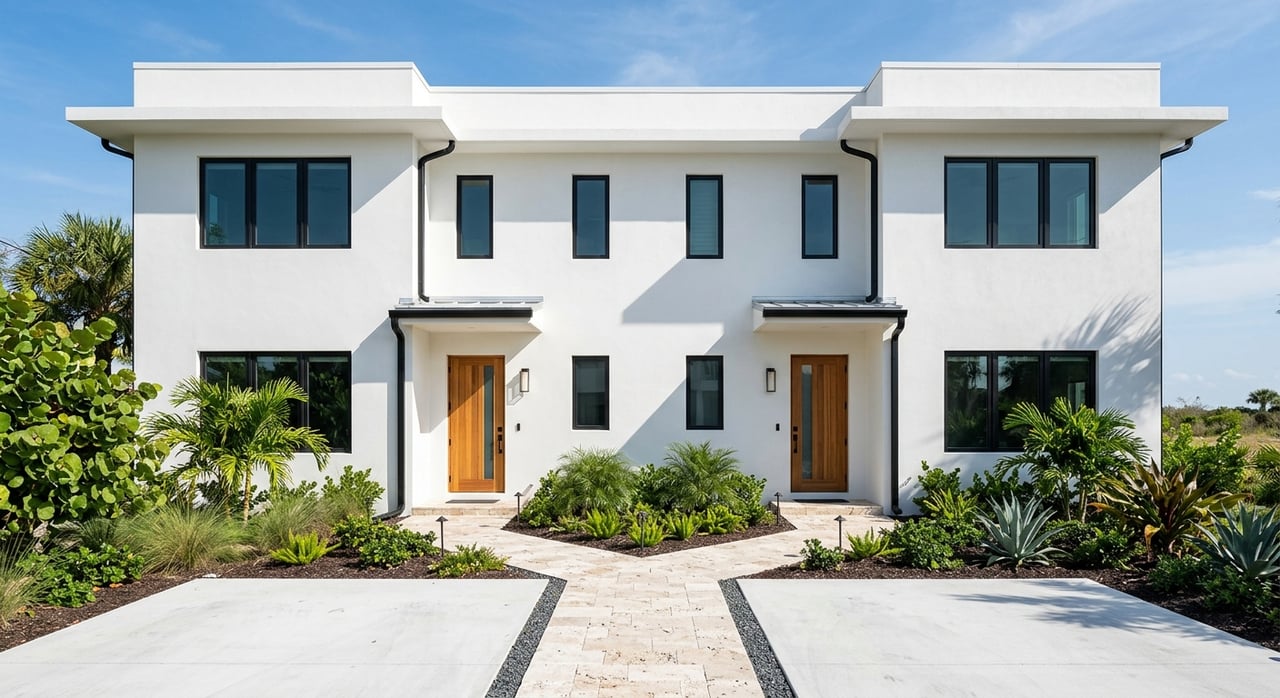
- Duplexes can improve risk-adjusted returns with two income streams on one lot. Confirm zoning, parking, and whether each side has separate water and electric meters. Separate meters often improve NOI mechanics.
Short-term rentals in Pompano Beach
If you are comparing STR to long-term rent, know the rules before you underwrite. The city requires a permit and registration for STR operations, plus building and fire compliance. You must also handle local and county tax registrations. Review the city’s short-term rental requirements and build time and fees into your model.
Property condition and due diligence
Small condition details drive cash flow in coastal Broward. During showings and inspections, verify:
- Roof age and permit history. Roof work is a large capex item and impacts insurance.
- HVAC age and service records. Compressors in salty air may have shorter life cycles.
- Electrical panel condition and evidence of unpermitted work.
- Plumbing type and any leak history. Confirm sewer versus septic.
- Any signs of flooding or standing water. Look for floor staining, patched drywall near baseboards, and relative slab height.
- Impact windows or shutters. In the High Velocity Hurricane Zone, verified products can lower insurance and improve resilience.
- Separate utility meters on duplexes. Shared meters reduce pass-throughs and can complicate billing.
- Pool condition and permits.
- Lease status, rent roll, security deposits, and written repair obligations.
- Title and easements, especially for waterfronts. Use parcel and permit records via the Broward County Property Appraiser and the city.
Long-term risks and protections
Sea level rise and nuisance flooding
Southeast Florida cities, including Pompano Beach, have published vulnerability assessments with parcel-level insights. Review the city’s Vulnerability Assessment and the county’s Sea Level Rise Toolbox for realistic planning on flood exposure, seawall elevations, and potential adaptation costs.
Insurance volatility and quotes
Florida’s homeowner market has been in flux, with evolving carriers and rates after recent reforms. Always obtain multiple landlord and flood quotes for your subject address. For market context and updates, see the Florida Office of Insurance Regulation’s recent insurance bulletin. Build a mitigation plan, then season the property with improvements before assuming low premiums.
Taxes and assessments
Check the current assessment, millage, and non-ad valorem assessments for your parcel on the BCPA site. Rental properties do not get homestead caps, so pro forma using current tax estimates is essential. Start with the BCPA FAQ and parcel resources to verify the subject property’s record, then confirm with your closing agent.
Simple offer decision checklist
Use this short list to keep your underwriting tight.
- Price: Is your target price at or below nearby closed comps for comparable condition?
- Rent: Do you have three recent, like-kind comps in the same zip or nearby census tract?
- Yield: Do your cap rate and cash-on-cash meet your minimums after realistic insurance and reserves?
- Condition: Did you confirm roof, HVAC, windows, electrical, plumbing, and any seawall items with permits and a licensed inspector?
- Utilities: For duplexes, are meters separate? If not, did you model utility pass-throughs or an adjusted rent?
- Risk: Did you check flood exposure, city coastal guidance, and long-term sea level planning documents for the block?
- Rules: If modeling STR, did you include permit steps, inspections, taxes, and timelines per the city requirements?
- Exit: Do you have at least two plausible exits, such as hold for cash flow, refinance after improvements, or sell into a refreshed market?
Ready to walk through real addresses and fine-tune the math with on-the-ground insight? Schedule your concierge consultation with Sasha Valdes to map your next Pompano Beach investment tour.
FAQs
How do I estimate market rent for a Pompano Beach rental?
- Start with a city baseline like RentCafe’s average, then pull three recent, like-kind comps in the same area and use the median as your working rent.
What cap rate is typical for small rentals in Broward County?
- Institutional reports place stabilized multifamily cap rates around the mid 5 percent range in Broward; small SFR and duplex assets often pencil near that band depending on condition and insurance. See Matthews’ Broward report for context.
What should I know about short-term rental rules in Pompano Beach?
- You need a city permit, annual registration, and compliance with safety and tax rules. Review the city’s STR requirements and include permit time and fees in your underwriting.
How do I check coastal risk for a waterfront or low-lying lot?
- Review the city’s Vulnerability Assessment and the county’s Sea Level Rise Toolbox to understand flood exposure, seawall needs, and long-term planning.
Where can I verify taxes, assessments, and permit history for a subject property?
- Use the Broward County Property Appraiser for assessed values, non-ad valorem assessments, and links to parcel records. Confirm permits with the city and your inspector before closing.